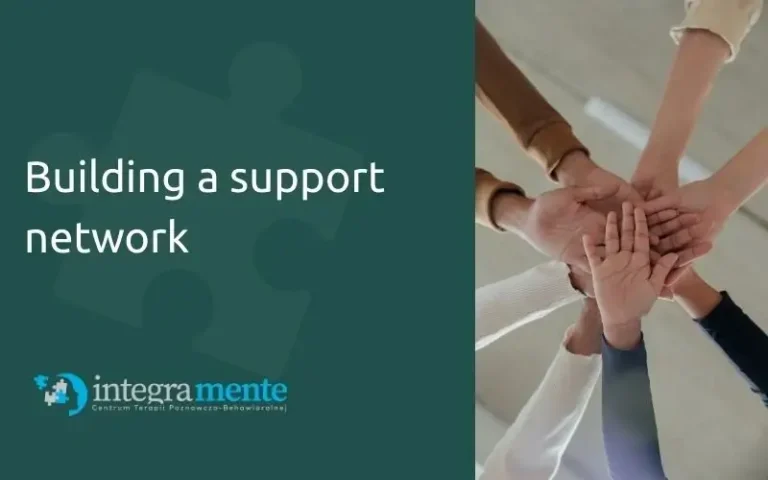
If you are suffering from depression, you need care and support. Symptoms associated with a low mood, such as withdrawal, negativity, and abandoning activities important to you, make it challenging to maintain relationships. The strategies below may not be easy to implement initially, but they can gradually help you overcome mood disorders.
Learn to ask for help: Try to learn how to ask for help. Unfortunately, there’s a chance that people may not realize you are struggling. The more directly you talk about your emotions and needs, the greater the chance that someone will hear you. It’s not a skill everyone has, but it’s something you can try to learn.
Appreciate your supporters: Acknowledge what people are trying to do for you, even if their efforts don’t solve your problem. Their intentions may be good, but they might not know how to help. Ensure a two-way dialogue, ask the other person how they feel and what they need.
Share your achievements: Share your achievements, efforts, and steps you are taking towards change and overcoming difficulties with your loved ones. Talk about positive experiences.
Propose solutions when discussing your problem: When talking about your problem, share an idea for solving it. Even if you don’t believe in the possibility of a solution or are unsure if the approach will work, sharing an idea for a solution opens the door to constructive support.
Beware of self-criticism: Be cautious about self-criticism in conversations with loved ones. Describing yourself as a “failure” or a “loser” triggers a sense of helplessness not only in you but also in the other person. Try to talk about facts, emotions, and needs.
Seek common positive experiences: Be cautious not to wait for a better mood and motivation to do something. Contact with important people in your life may not immediately bring a positive mood, but it can be a rewarding activity.
Become part of a community: Look for groups of people with similar interests or whom you would like to get to know. Helping others (volunteering, working for a cause) can be particularly empowering.
Reading recommendation: R. Leahy “Beat Depression Before It Beats You”.
Integra Mente Centrum Terapii Poznawczo-Behawioralnej w Krakowie.
English-speaking psychologists and cognitive-behavioral therapists based in Cracow, Poland. We also offer online psychotherapy and counseling. Therapy in English.
Consulta psicológica y terapia en español en Cracovia u online. Therapy in Spanish.
#CBT #DBT #terapiakrakow #terapia #psychoterapia #krakow #psychologia #emocje #emotions #therapy #psychology #psicologia #psicoterapia #emociones #cracovia #cracow #onlinetherapy #terapiaonline #therapyinenglish #terapiaenespanol #psicologo #terapiaencracovia #therapyinkrakow #mentalhealth #saludmental #español